
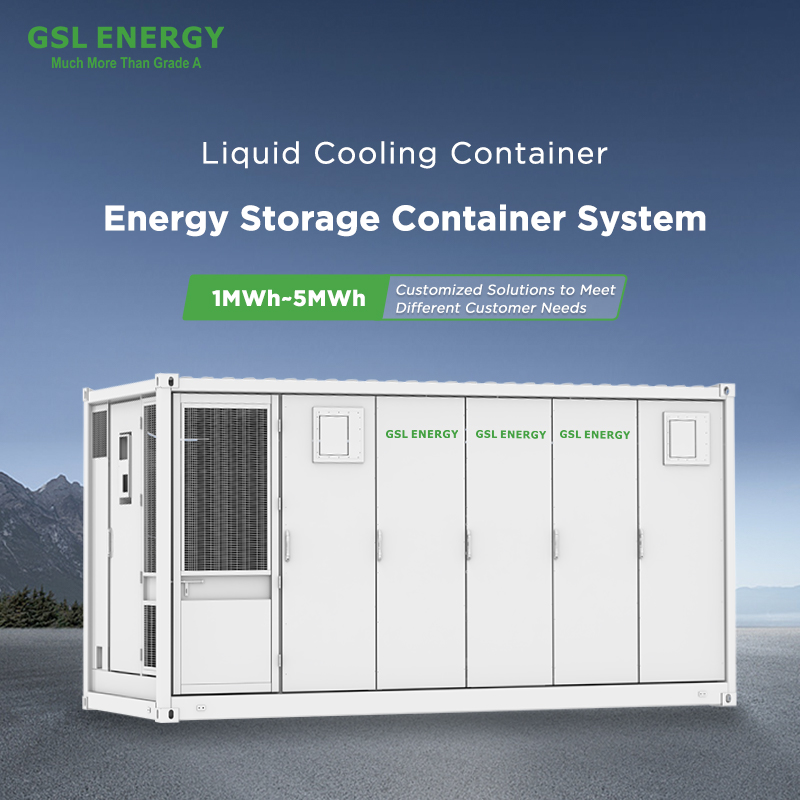
Battery Energy Storage Systems, BESS, are transforming how commercial facilities manage power. Storage is no longer just backup power, it is a strategic financial and operational asset. When properly designed, a BESS reduces demand charges, improves resilience, and enables participation in grid programs.
The first consideration is electrical integration. A storage system must be coordinated with existing switchgear, transformers, and protective devices. Whether installed as a standalone system or paired with solar, interconnection design determines both performance and safety. Proper grounding, overcurrent protection, and short-circuit analysis are essential.
Fire safety and code compliance are equally important. Modern systems are tested to UL 9540 and validated through large-scale fire testing. Hazard mitigation analysis, ventilation requirements, spacing, and fire suppression must be considered during design. These are not afterthoughts, they are foundational requirements.
From a financial standpoint, batteries unlock multiple revenue streams. Demand reduction, peak shaving, backup resiliency, and participation in utility incentive programs can significantly improve return on investment. However, these outcomes depend on proper system sizing and control logic.
The key takeaway is simple, storage is not just hardware. It is a fully integrated electrical and operational system that must be engineered correctly from day one.