
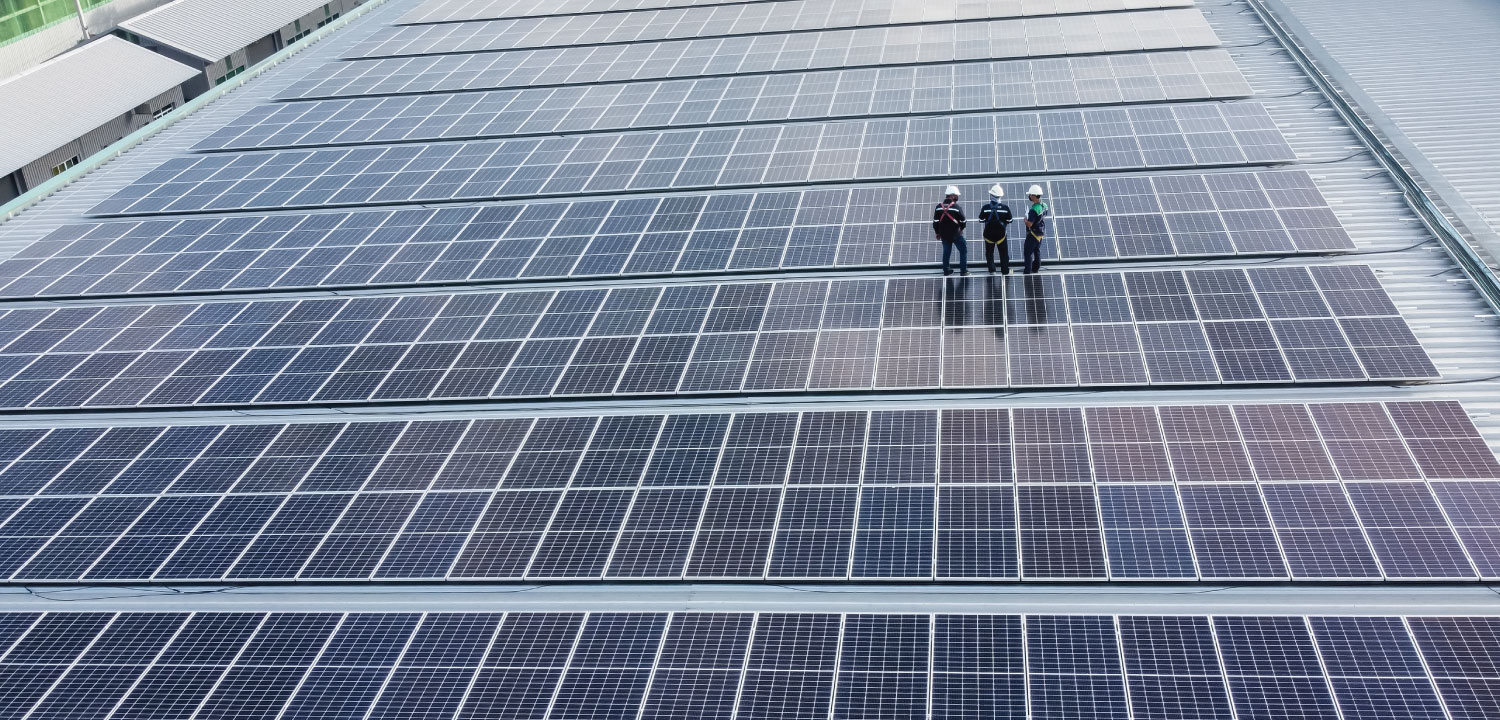
At National Energy Installers, LLC, every commercial solar project begins with engineering discipline, not panel placement. While many companies focus on system size or total kilowatts installed, we prioritize lifecycle performance, code compliance, and long-term electrical integrity. A properly engineered system protects the building, reduces operational risk, and ensures maximum production for decades.
Our process starts with a comprehensive site evaluation. This includes reviewing structural drawings, analyzing roof load capacity, evaluating service entrance equipment, and identifying interconnection constraints. We assess transformer sizing, fault current contribution, and utility protection requirements before finalizing system design. This ensures the solar installation integrates cleanly with the existing electrical infrastructure.
Electrical design is equally critical. String sizing, voltage drop calculations, conductor routing, conduit fill, grounding methods, and overcurrent protection are all engineered in accordance with NEC 2023 and local AHJ requirements. We model production scenarios and confirm inverter loading ratios to optimize system yield without over-stressing equipment.
Beyond design, quality installation matters. Our crews follow documented installation procedures, torque specifications, labeling standards, and commissioning checklists. Every system undergoes verification testing before energization. We confirm voltage balance, insulation resistance, and monitoring functionality prior to final sign-off.
The result is a system built not only to pass inspection, but to perform reliably for 25 to 30 years. Engineering first, installation second, production always.