
Utility interconnection is one of the most misunderstood parts of commercial solar development. Many property owners assume that once panels are installed, the system simply turns on. In reality, interconnection is a regulated engineering and administrative process that must be handled precisely.
The process begins with a detailed application submitted to the serving utility. This includes single-line diagrams, equipment specifications, system size calculations, and protection coordination details. Utilities evaluate whether the local grid can support the proposed system without upgrades.
In some cases, studies are required to evaluate feeder capacity, transformer loading, or voltage rise. These studies may result in upgrade requirements, which must be factored into project timelines and budgets. Early planning minimizes unexpected delays.
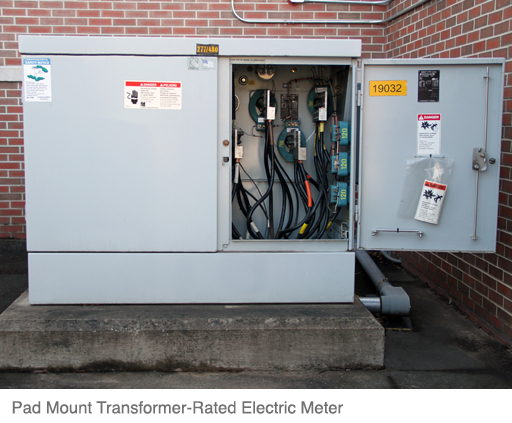
Once approved, inspection and witness testing may be required before final permission to operate is granted. Proper labeling, lockable disconnects, and revenue-grade metering often form part of the approval checklist.
A well-managed interconnection strategy reduces project risk, avoids costly redesigns, and accelerates time to operation. This is why we treat interconnection as an engineering discipline, not paperwork.