Reduce Demand Charges.
Protect Operations.
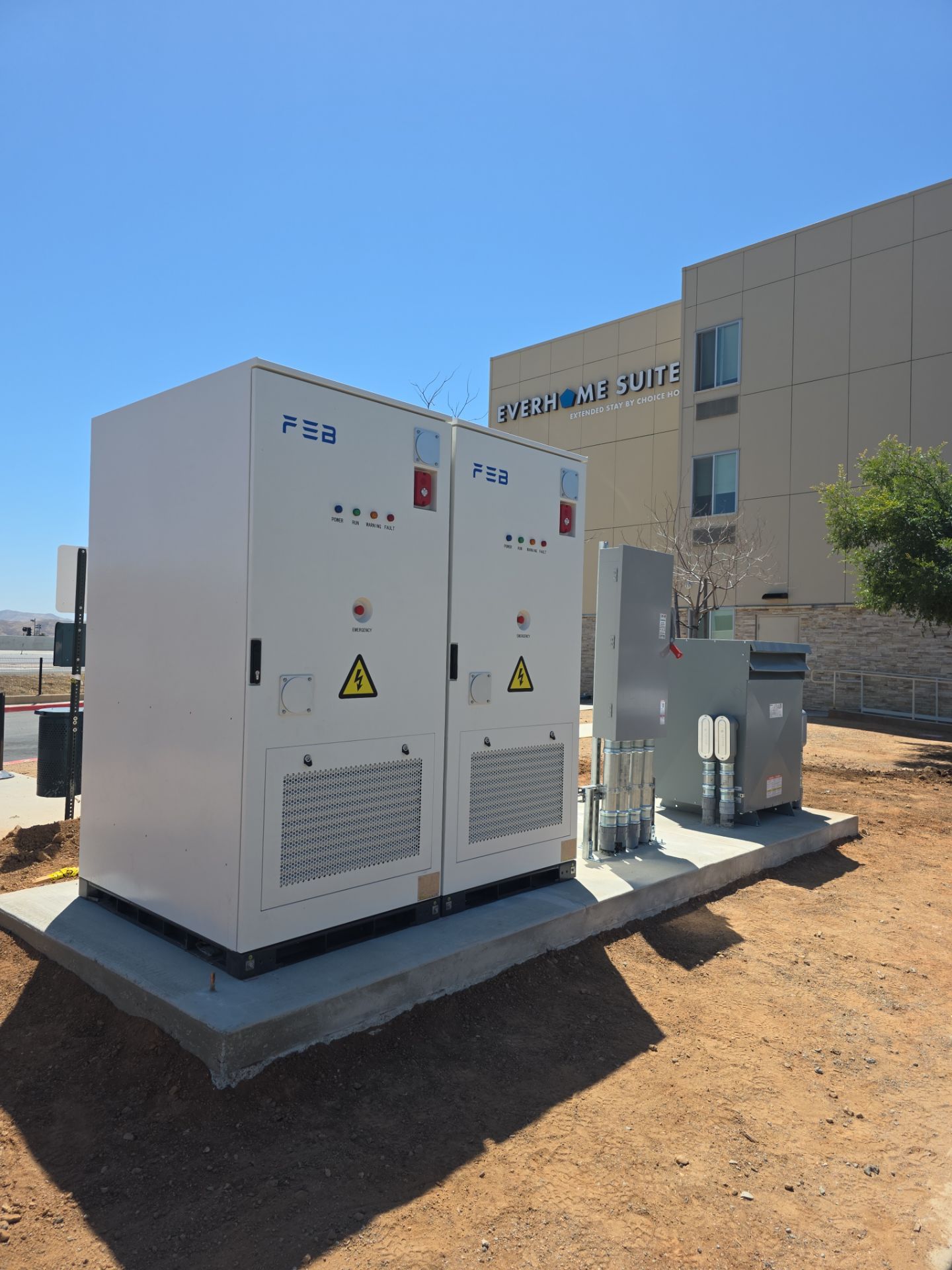
Commercial battery storage systems, also known as battery energy storage systems (BESS), store solar or off-peak grid power and discharge it during high-cost peak periods, reducing demand charges that can account for 30-50% of a commercial electric bill. For facilities that can’t tolerate downtime, battery storage also provides backup power during grid outages, keeping critical operations running when the utility can’t.
NEI designs and installs BESS from 100 kWh to multi-MWh, sized to each facility’s load profile and integrated with existing or new solar systems.
Commercial electricity rates continue to climb nationally, and California currently ranks among the highest in the country according to the U.S. Energy Information Administration, making demand charge reduction an increasingly time-sensitive investment for California facilities.
NEI’s engineering team evaluates each facility’s utility rate structure, peak load history, and site electrical infrastructure before recommending a system size. This site-specific approach, rather than a one-size-fits-all package, is why NEI’s installations are engineered to match actual usage patterns, not estimated averages.
Built for Performance
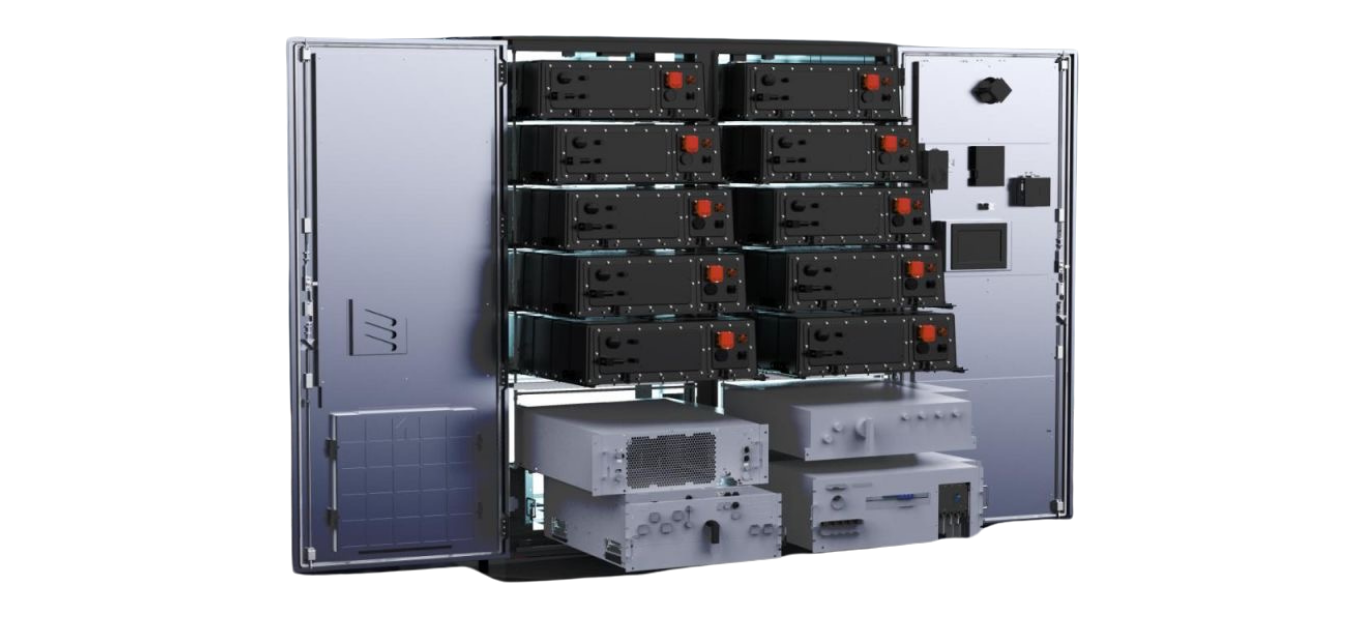
NEI’s TruPower battery systems use bi-directional inverters and long-duration battery technology engineered for utility-scale commercial and industrial projects, delivering an efficient, cost-effective storage solution at the site level. Each system is engineered to meet current fire and electrical safety codes for commercial installations, and integrates with existing switchgear and site electrical infrastructure without requiring facility downtime during commissioning.
Integrated with Your Facility’s Energy System
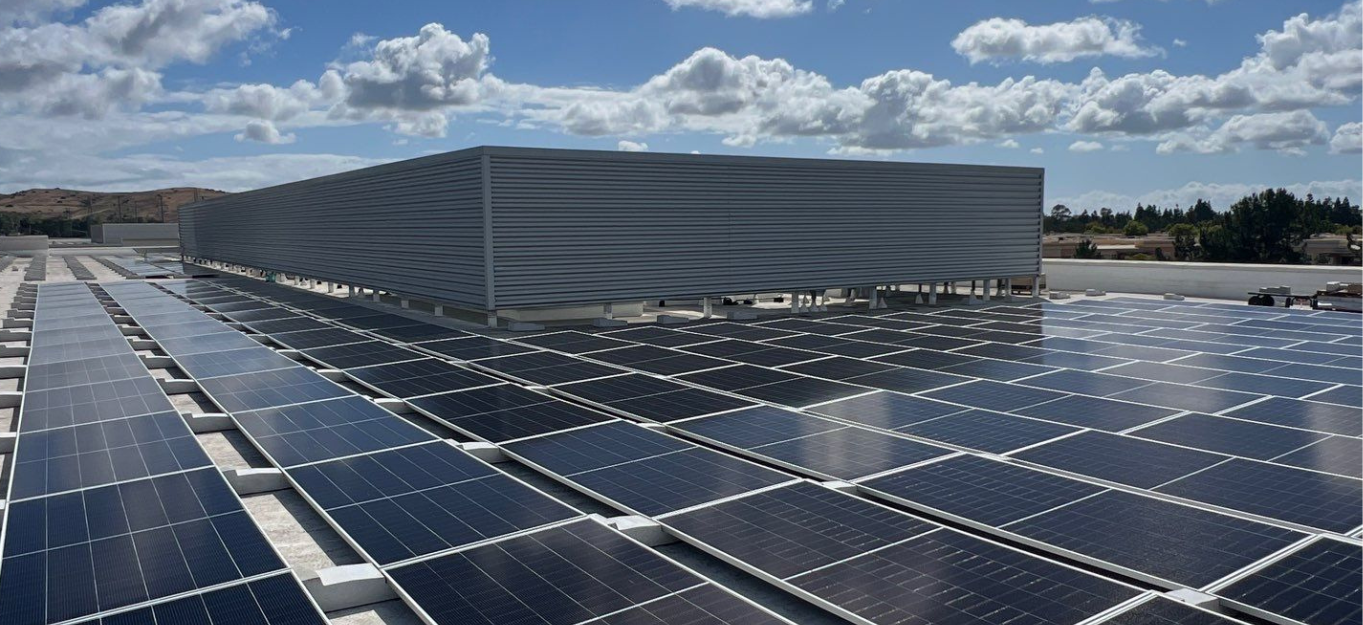
BESS works alongside your commercial solar array, charging during peak solar production and discharging during periods of high grid demand or peak utility rates. The result: lower demand charges, reduced reliance on grid power during costly peak windows, and a more predictable energy cost structure for your facility.
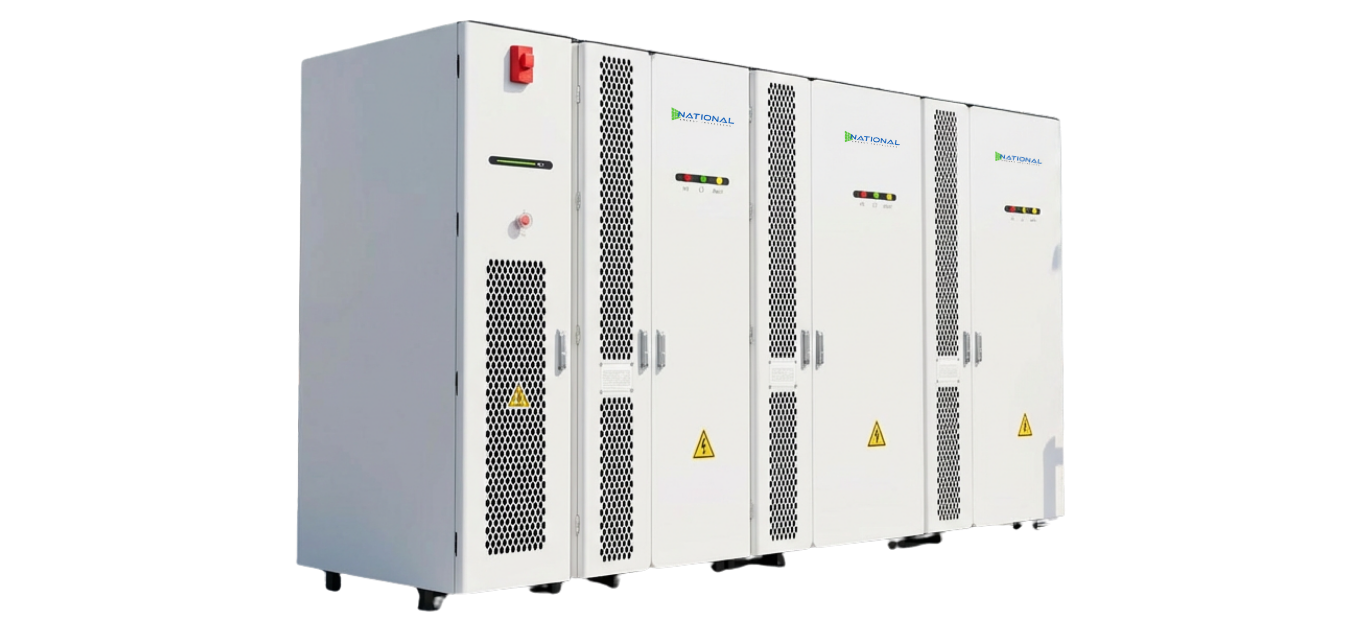
How Commercial BESS Works with Your Energy System
Battery storage rarely operates alone. Most NEI clients pair BESS with commercial solar to maximize stored energy from on-site generation, and facilities with critical uptime requirements often integrate BESS into a broader microgrid and controls system for automatic failover during outages.
For fleet and facility operators, BESS can also offset demand spikes from commercial EV charging infrastructure.
Every BESS project is eligible for federal tax incentives. See our Commercial ITC Benefits page for current credit percentages and requirements.