What Is Power Distribution?

Every commercial energy system, from rooftop solar to battery storage to on-site generation, depends on power distribution infrastructure engineered to move that energy where it’s needed, safely and reliably. NEI designs and installs commercial power distribution systems, including switchgear, transformers, and utility interconnection, as a core part of its integrated energy infrastructure platform. Rather than treating distribution as an afterthought, NEI engineers it as the foundation that makes every other system on-site actually work together.
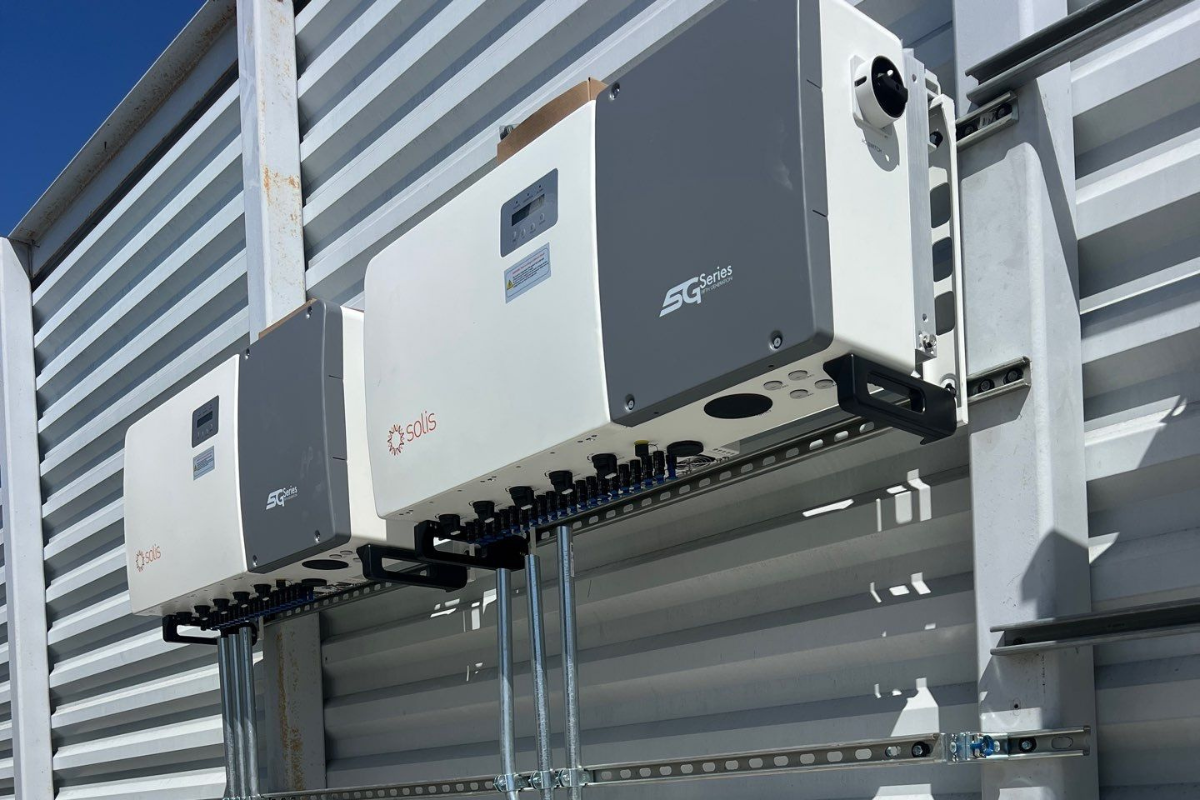
Commercial microgrid installer

What’s Included

Why It Matters

Power distribution infrastructure rarely gets attention until it becomes the bottleneck. A facility can invest in solar, battery storage, and backup generation, but if the switchgear, transformers, and distribution panels aren’t engineered to handle that combined system, the investment underperforms or requires costly rework later.

"NEI engineers the whole system, from design through interconnection, as one integrated platform."

Why Integration Changes the Outcome

Frequently Asked Questions

Commercial power distribution infrastructure refers to the switchgear, transformers, panels, and wiring systems that move electrical power from its source, whether the utility grid, on-site solar, batteries, or generators, to where it’s used throughout a facility. It’s the physical infrastructure that makes every other energy system on-site actually functional.

It depends on the age and existing capacity of the facility’s electrical infrastructure and the size of the new system being added. Many older commercial facilities require some level of switchgear or panel upgrade to safely support new solar, storage, or generation capacity. NEI evaluates existing infrastructure early in the project to determine what upgrades, if any, are required.

NEI manages the full interconnection process directly with the relevant utility, including application submission, technical review coordination, and inspection scheduling. Interconnection in California is governed by Rule 21, which sets the requirements for connecting generation and storage systems to the utility grid. Each investor-owned utility, including Southern California Edison, administers its own version of these requirements, and NEI coordinates that process directly as part of its integrated project delivery, reducing the coordination burden on facility owners and operators.

In many cases, existing infrastructure can be selectively upgraded rather than fully replaced. NEI’s engineering team evaluates what’s already in place and designs an upgrade path that supports new energy systems while avoiding unnecessary replacement of equipment that’s still functional and code-compliant.

Power distribution infrastructure is what allows a microgrid to actually function as an integrated system, routing power between solar, battery storage, generation, and facility loads, both when connected to the grid and during island mode operation. NEI designs distribution infrastructure and microgrid controls together to ensure they work as a single coordinated system.

Timelines vary based on the scope of work and utility interconnection requirements, but typically range from a few weeks for straightforward panel upgrades to several months for larger switchgear replacements or projects requiring extensive utility coordination. NEI provides a project-specific timeline as part of the engineering and design phase.

Let’s Build Your Energy Future

Our team is ready to help you power what’s next sustainably and reliably.